CHIROPRACTIC CARE FOR HEADACHES & MIGRAINES IN STAFFORDSHIRE & DERBYSHIRE

Headaches & Migraines
A Different Approach to Feeling Better

Don't let recurring headaches hold you back

Struggling with frequent headaches, migraines or tension that's affecting your sleep, work or everyday life? At Peak Chiropractic & Kinesiology, we take the time to understand your symptoms, assess how your neck and body move, and consider the physical and lifestyle factors that may be contributing to your discomfort. We can discuss suitable care and whether further medical assessment may be needed.

Chiropractic clinics in Stoke-on-Trent, Leek and Ashbourne, serving Staffordshire and Derbyshire.

Helping over 10,000 people since 2015 • 400+ 5-Star Google Reviews • 3 Clinic Locations

Real Stories. Real Progress.

Discover real experiences from clients who came to Peak Chiropractic experiencing headaches and migraines.

Loading client success stories...
View All Client Success Stories →

Headaches & Migraines in Staffordshire & Derbyshire

Helping you understand your headaches and migraines, explore possible contributing factors and take steps towards feeling better.

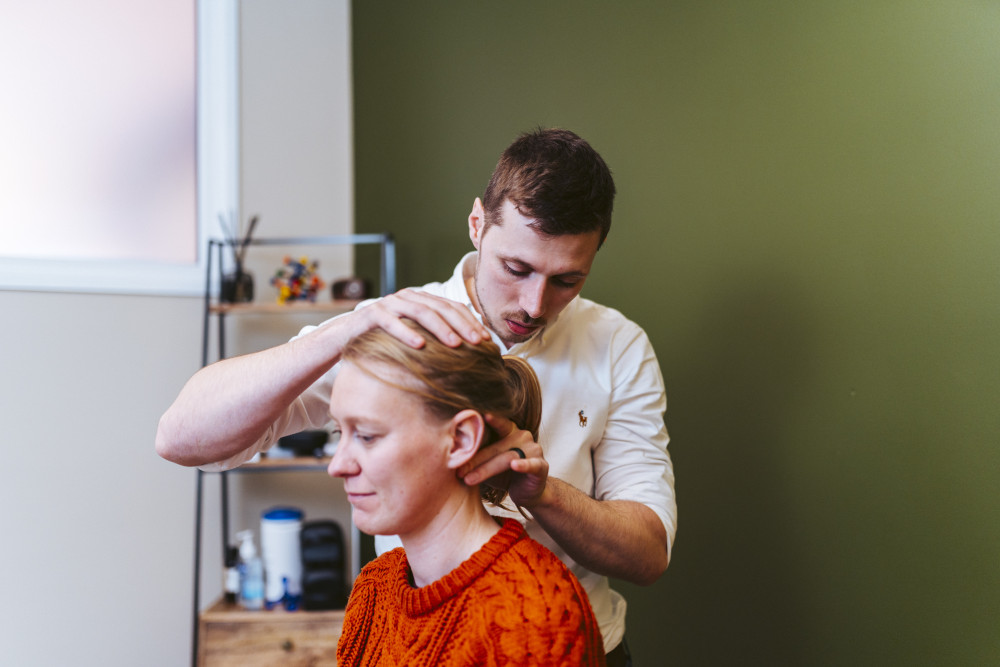
Peak Chiropractic clinician assessing a client

Headaches and migraines can affect much more than just your head. Pain, sensitivity to light, nausea and difficulty concentrating can make everyday activities challenging.

Headaches are extremely common and can occur for several reasons. Some are associated with muscle tension, stress, dehydration, changes in sleep or other everyday factors. Others may be linked to specific conditions, including tension-type headaches, migraines and cervicogenic headaches, which originate from structures in the neck.

Migraines are a neurological condition that can cause recurring attacks of moderate to severe headache, often accompanied by nausea and sensitivity to light or sound. Some people also experience visual disturbances or other temporary neurological symptoms known as aura. Not everyone experiences migraines in the same way, and symptoms can vary considerably between individuals.

Frequent headaches or migraines can affect your work, sleep, social life and ability to enjoy everyday activities. Although some headaches improve with simple self-care, recurring, worsening or persistent symptoms deserve a professional assessment to help identify their possible causes.

At Peak Chiropractic & Kinesiology, we take the time to understand your individual symptoms, medical history and how they may be affecting your life. Our approach goes beyond simply looking at where you experience discomfort. We assess how your neck and body move and function, while considering physical and lifestyle factors that may be relevant to your symptoms.

Chiropractic care may be appropriate for some people experiencing headaches associated with musculoskeletal problems, particularly certain headaches originating from the neck. However, migraines have different underlying mechanisms and require appropriate medical assessment and management. Chiropractic treatment is not an established cure for migraines, and we will discuss whether another healthcare professional or further investigation may be more suitable.

Since 2015, we've helped thousands of people take steps towards moving and feeling better. Our founder developed the Bioplastic Remodelling Technique (BRT) following extensive training and coaching around the world, helping shape our approach to personalised chiropractic care.

If you're looking for support with headaches and migraines in Staffordshire or Derbyshire, our chiropractic clinics in Stoke-on-Trent, Leek and Ashbourne offer individual assessments and care recommendations based on your needs. Where chiropractic care is appropriate, we'll explain your options and what you can expect.

Our goal is simple: to help you better understand your symptoms, identify relevant contributing factors and explore appropriate ways to improve your comfort, movement and everyday quality of life.

Results our patients experience

  • Over 10,000

    People we have helped since 2015

  • 68%

    Average symptomatic relief in the first phase of care

  • 85%

    Clients who say we are value for money

  • 3256

    Number of free kids appointments since 2018

Join them and discover what’s possible for you

Schedule your appointment
Peak Chiropractic initial consultation

PEAK CHIROPRACTIC & KINESIOLOGY

Initial Consultation Now Just £25

Book Your £25 Initial Consultation

A Different Approach to Headaches & Migraines at Peak Chiropractic

Looking beyond symptoms to understand your body, support better movement and help you feel your best.

At Peak Chiropractic & Kinesiology, we understand how disruptive recurring headaches and migraines can be, especially when pain, sensitivity to light, nausea or difficulty concentrating starts affecting your work, sleep and everyday life.

Since 2015, we've helped over 15,000 people take steps towards moving better, feeling better and getting back to doing what they love.

Our founder developed the Bioplastic Remodelling Technique (BRT) following extensive training and coaching around the world, helping shape our unique approach to chiropractic care.

Rather than simply focusing on where you feel pain, we look at how your neck and body move and function, alongside the physical and lifestyle stressors that may be relevant to your symptoms. Understanding your health history, daily habits and movement patterns helps us consider whether musculoskeletal factors may be contributing to your discomfort.

Whether you're experiencing recurring tension-type headaches, headaches associated with neck discomfort or migraines, our team takes the time to understand your individual symptoms and needs. Some headaches originate from structures in the neck and may benefit from appropriate musculoskeletal care. Migraines, however, are a neurological condition and require suitable medical management.

Our approach begins with an individual assessment to help determine whether chiropractic care may be appropriate. Where necessary, we can recommend further investigation or assessment by another healthcare professional. We focus on helping you make informed decisions about your health rather than offering a one-size-fits-all solution.

With chiropractic clinics in Stoke-on-Trent, Leek and Ashbourne, we're here to help people across Staffordshire and Derbyshire explore a personalised approach to understanding headaches, improving movement and supporting their overall wellbeing.

Book Your Free Discovery Visit
Peak Chiropractic clinician discussing personalised care with a client

What Happens at Your Initial Consultation?

Your first visit to Peak Chiropractic & Kinesiology is all about getting to know you, understanding your concerns and finding out how we may be able to help. Here's what you can expect.

1

A Warm Welcome

When you arrive at one of our clinics, our friendly team will welcome you and help you get settled. You'll be asked to complete a health questionnaire so we can learn more about your health history and any concerns you may have.

2

Getting to Know You

Your chiropractor will take the time to listen to your story. We'll discuss your symptoms, medical history, lifestyle and how your discomfort may be affecting your everyday activities. We also want to understand what you'd like to achieve from chiropractic care.

3

Assessing How Your Body Moves

Your chiropractor will carry out an assessment to better understand how your body is moving and functioning. Depending on your needs, this may include checking your posture, spinal movement, mobility and areas of discomfort.

4

Looking Beyond Your Symptoms

At Peak, we don't just focus on where you feel pain. We also consider the physical and lifestyle stressors that may be contributing to your discomfort, helping us build a clearer picture of your overall health and movement.

5

Discussing Your Next Steps

Your chiropractor will explain the initial findings, answer your questions and discuss what happens next. If further assessment is needed, we'll explain why. Your personalised care recommendations will be discussed at your separate Report of Findings appointment.

What Happens After Your Initial Consultation?

Your next appointment is your Report of Findings (ROF), where we'll go through your assessment results in more detail, explain our recommendations and discuss a personalised care plan where appropriate. You'll have the opportunity to ask questions and understand your options before deciding how you'd like to proceed.

Find your
nearest clinic

We have 3 convenient chiropractic clinics across Staffordshire and Derbyshire.

Peak Chiropractic headaches and migraines e-book
FREE HEALTH RESOURCES

Struggling With Headaches & Migraines?
Explore Our E-Books!

Want to understand your headaches and migraines better? Explore helpful information about common headache types, migraine symptoms, possible triggers and everyday factors that may influence how you feel. Discover practical tips for managing tension, improving sleep, recognising potential triggers and taking positive steps towards better wellbeing.

Start Reading

Frequently Asked Questions About Headaches & Migraines

Answers to common questions about headaches, migraines, chiropractic care and what to expect at Peak Chiropractic.

1 What causes headaches and migraines? +

Headaches have many possible causes. Common types include tension-type headaches, migraines and cervicogenic headaches, which originate from structures in the neck. Headaches may also be associated with dehydration, illness, medication overuse or other medical conditions.

Migraine is a neurological condition involving changes in how the nervous system processes sensory information and pain. Genetics, hormones, sleep disruption and other factors can influence migraine attacks.

At Peak Chiropractic, we take the time to understand your symptoms and medical history, including any physical or lifestyle factors that may be relevant.

2 Can chiropractic care help with headaches and migraines? +

Chiropractic care may help some people with headaches associated with musculoskeletal problems, particularly certain headaches originating from the neck. Depending on the assessment, care may include suitable manual therapy, exercises and advice.

However, migraines are a neurological condition, and there is insufficient reliable evidence that chiropractic adjustments effectively treat or prevent migraine attacks. Evidence-based migraine management may include medication, lifestyle strategies and specialist medical care.

At Peak Chiropractic, we assess your symptoms before discussing whether chiropractic care is appropriate or whether medical assessment would be more suitable.

3 What is the difference between a headache and a migraine? +

A headache is pain or discomfort affecting the head, face or upper neck. There are many different types, including tension-type headaches, which often cause a pressing or tightening sensation on both sides of the head.

Migraine is a neurological condition that can cause recurring attacks of moderate to severe headache, often with nausea and sensitivity to light or sound. Migraine pain may be throbbing and can affect one or both sides of the head.

Some people experience migraine without a headache, and symptoms vary between individuals. Understanding the pattern of your symptoms can help a healthcare professional identify the most likely headache type.

4 Can chiropractic care help with recurring tension headaches? +

Some people with tension-type headaches may benefit from addressing associated neck or shoulder discomfort, movement limitations and other musculoskeletal factors. However, evidence for chiropractic treatment specifically reducing tension-type headaches remains limited.

Recurring headaches should be assessed to confirm the likely type and consider other possible causes. Treatment may include appropriate self-management advice, medication where suitable and assessment of any associated neck symptoms.

At Peak Chiropractic, we consider your symptoms and individual circumstances before recommending care.

5 Can neck problems cause headaches? +

Yes. Some headaches originate from structures in the neck and are known as cervicogenic headaches. They may be associated with restricted neck movement, discomfort around the upper neck or pain that spreads towards the head.

However, neck pain can also occur alongside migraines and tension-type headaches, so having neck discomfort does not necessarily mean your headache originates from the neck.

An appropriate assessment can help identify whether musculoskeletal factors may be contributing to your symptoms.

6 Can poor posture or screen time contribute to headaches? +

Long periods of screen use may contribute to eye strain, neck discomfort and headaches in some people. Prolonged sitting, limited movement and unsuitable screen setups can also make associated muscle discomfort more noticeable.

However, there is no single perfect posture that prevents headaches or migraines, and posture alone does not explain most headache conditions.

Taking regular screen breaks, adjusting your workstation, moving comfortably and arranging an eye examination when appropriate may help reduce some contributing factors.

7 Can stress trigger headaches and migraines? +

Yes. Stress is a commonly reported trigger for both tension-type headaches and migraine attacks. Stress can influence sleep, muscle tension and the way the nervous system processes pain.

Some people notice headaches during stressful periods or after stress begins to ease. However, stress is not the only cause of headaches or migraines.

Regular sleep, physical activity, relaxation techniques and appropriate stress management may help some people manage their symptoms alongside suitable medical care.

8 Should I rest or stay active during a migraine? +

During a migraine attack, many people find that resting or sleeping in a quiet, dark room helps them manage symptoms. Physical activity can worsen migraine pain during an attack, so it is reasonable to reduce activity until you feel better.

Between attacks, regular moderate physical activity may support general health and can help some people manage migraine frequency over time.

It is important to listen to your body and follow any personalised advice provided by your healthcare professional.

9 What exercises may help with headaches? +

Regular aerobic activity, such as walking, cycling or swimming, may help some people reduce migraine frequency over time. Gentle neck mobility and strengthening exercises may also be useful when headaches are associated with musculoskeletal neck problems.

The most appropriate exercises depend on your headache type, general health and symptoms. Exercise should not be forced during a severe headache or migraine attack.

At Peak Chiropractic, we can assess your movement and discuss suitable exercises where musculoskeletal care is appropriate.

10 What is the fastest way to relieve a headache or migraine? +

The most effective approach depends on the headache type. For some uncomplicated headaches, drinking water if dehydrated, resting, taking a screen break or using suitable over-the-counter pain relief may help.

Migraine attacks may respond better to migraine-specific medication, such as a prescribed triptan, sometimes combined with other medicines. Acute treatment is generally more effective when taken early, according to medical advice.

A pharmacist or GP can advise on appropriate medication and safe use. Taking painkillers too frequently can contribute to medication-overuse headaches.

11 How long do headaches and migraines usually last? +

Headache duration varies depending on the type and cause. A tension-type headache can last from around 30 minutes to several days.

An untreated migraine headache typically lasts between 4 and 72 hours in adults, although other migraine symptoms may begin before the headache and continue afterwards.

If a migraine attack lasts longer than 72 hours, seek urgent medical advice through your GP or NHS 111. A new, unusually severe or rapidly worsening headache should also be medically assessed.

12 Can migraines cause dizziness, nausea or visual disturbances? +

Yes. Migraine attacks can cause nausea, vomiting and sensitivity to light, sound or smells. Some people experience dizziness or balance-related symptoms, including those with vestibular migraine.

Some migraines involve aura, which can cause temporary visual disturbances such as flashing lights, zigzag lines or blind spots. Aura can also involve tingling or speech disturbances and usually develops gradually.

New visual loss, sudden weakness, difficulty speaking or other stroke-like symptoms should never automatically be assumed to be migraine. Seek emergency medical attention if these occur suddenly.

13 Will my headaches or migraines go away on their own? +

Many occasional headaches improve without specific treatment. Migraine attacks also eventually settle, but migraine is a recurring neurological condition for many people.

Migraine patterns can change over time, and some people experience long periods with fewer attacks. Others require ongoing management to reduce their frequency or impact.

If headaches are recurring, becoming more frequent or interfering with everyday life, a GP can assess your symptoms and discuss appropriate treatment.

14 Why do my headaches or migraines keep coming back? +

Recurring headaches can be influenced by several factors, including headache type, sleep disruption, stress, hormonal changes, medication use and underlying health conditions.

Migraine is a neurological condition with a genetic component. Attacks may be influenced by factors such as irregular sleep, missed meals or hormonal changes, although triggers differ between individuals.

Keeping a headache diary can help identify patterns, including attack frequency, symptoms, medication use and possible triggers. This information can also help your healthcare professional assess your condition.

15 When should I seek medical help for headaches or migraines? +

Arrange a GP assessment if your headaches are recurring, becoming more frequent, changing in character or affecting your work, sleep or everyday activities. You should also seek advice if you regularly need painkillers or your usual migraine treatment is not working.

Call 999 for a sudden, extremely severe headache, particularly one reaching maximum intensity within seconds, or a headache accompanied by sudden weakness, facial drooping, difficulty speaking, confusion or loss of consciousness.

Headache with fever and neck stiffness, a headache following a significant head injury, new visual loss or a new headache during pregnancy or shortly after giving birth also requires urgent medical assessment. Use NHS 111 if you are unsure how urgently you need help.

16 Do I need an MRI or scan for headaches and migraines? +

Most people with a typical migraine or tension-type headache do not routinely need an MRI or CT scan. These conditions are usually diagnosed from the symptoms and medical history, supported by an examination when appropriate.

Imaging may be recommended when there are warning signs, unusual neurological symptoms, a significant change in headache pattern or concerns about another underlying condition.

At Peak Chiropractic, we can discuss whether your symptoms suggest the need for further medical assessment or referral. Imaging should be based on clinical need rather than performed routinely.

17 How much will chiropractic care cost after my initial consultation? +

The cost of ongoing chiropractic care at Peak depends on your individual needs and your clinician's recommendations.

We offer different care packages, which vary in price. Your chiropractor will discuss suitable options and their costs with you during your Report of Findings appointment, so you can make an informed decision before starting a care plan.

If you are experiencing headaches or migraines, we will first consider whether chiropractic care is appropriate for your symptoms.

18 Will a chiropractic adjustment hurt? +

Chiropractic adjustments are not generally intended to be painful, although some people experience temporary discomfort during treatment or mild soreness afterwards.

Manual treatment also carries potential risks, which depend on the technique and area being treated. Rare but serious complications have been reported following neck manipulation, and the possible association with cervical artery injury must be considered when discussing treatment.

Your chiropractor should explain the expected benefits, uncertainties, risks and alternatives before treatment. Neck manipulation is not an established treatment for migraines, and you can decline any technique you do not wish to receive.

19 Why might chiropractic care take longer than a few weeks? +

The duration of chiropractic care depends on the condition being treated, your individual needs and whether you are experiencing a meaningful benefit.

For some people with headaches associated with neck problems, a short period of appropriate musculoskeletal care may be considered. Progress should be reviewed regularly, and treatment should not continue without a clear reason or evidence of benefit.

Migraines require appropriate medical management, and chiropractic treatment should not replace evidence-based migraine care. At Peak Chiropractic, your clinician will explain suitable recommendations and discuss referral when necessary.

20 What should I wear to my appointment? +

We recommend wearing comfortable clothing that allows you to move freely during your assessment.

If you're attending a myofascial or massage appointment, a vest top, shorts or loose-fitting clothing may be helpful so your clinician can access the areas being treated while keeping you comfortable.

If you are attending because of headaches or migraines, it may also be helpful to bring a record of your symptoms, current medication and any previous medical assessments.