CHIROPRACTIC CARE FOR KNEE PAIN IN STAFFORDSHIRE & DERBYSHIRE

Knee Pain Treatment
That Helps You Move Better

Don't let knee pain control your life

Struggling with knee pain that's affecting your walking, exercise, work or everyday life? At Peak Chiropractic & Kinesiology, we look beyond your symptoms to understand how your body moves and functions, helping you take steps towards feeling and moving better.

Chiropractic clinics in Stoke-on-Trent, Leek and Ashbourne, serving Staffordshire and Derbyshire.

Helping over 10,000 people since 2015 โ€ข 400+ 5-Star Google Reviews โ€ข 3 Clinic Locations

Real Stories. Real Progress.

Discover real experiences from clients who came to Peak Chiropractic with knee pain.

Loading client success stories...
View All Knee Pain Success Stories โ†’

Knee Pain Treatment in Staffordshire & Derbyshire

Helping you move better, feel better and get back to doing the things you enjoy.

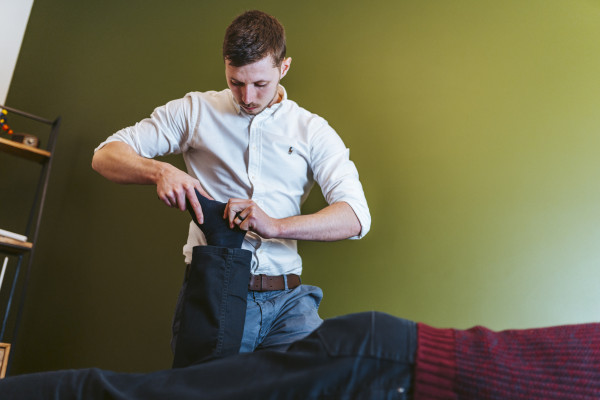
Chiropractor providing personalised chiropractic care at Peak Chiropractic
Knee pain is a common problem that can affect people of all ages. It can develop following an injury, through repetitive strain or as a result of conditions such as osteoarthritis, making everyday activities more difficult.

At Peak Chiropractic & Kinesiology, we support people across Staffordshire and Derbyshire experiencing knee pain, helping them understand their symptoms and working towards improved movement and everyday function through personalised care where appropriate.

If you're looking for knee pain treatment in Staffordshire or Derbyshire, we have clinics in Stoke-on-Trent, Leek and Ashbourne, making it easier to access professional chiropractic care close to home, without needing a GP referral.

Since 2015, we've helped more than 10,000 people across our clinics. Whether you're experiencing knee stiffness, recurring discomfort, difficulty walking, pain when climbing stairs or discomfort during exercise, we take the time to understand your symptoms and how they affect your daily life.

Our approach goes beyond simply focusing on where you feel pain. Using our unique Bioplastic Remodelling Technique (BRT), we look at how your body moves and functions, including the movement of your hips, ankles and surrounding muscles, as well as the everyday physical and lifestyle stressors that may be contributing to your discomfort.

As knee pain can have many different causes, we assess your individual circumstances to determine whether chiropractic care is appropriate or whether further medical assessment is needed.

Our goal is simple: to help you move better, feel better and regain confidence in your body, whether that's walking comfortably, returning to exercise or enjoying everyday life with fewer limitations.

Results our patients experience

  • Over 10,000

    People we have helped since 2015

  • 68%

    Average symptomatic relief in the first phase of care

  • 85%

    Clients who say we are value for money

  • 3256

    Number of free kids appointments since 2018

Join them and discover whatโ€™s possible for you

Schedule your appointment
Peak Chiropractic initial consultation

PEAK CHIROPRACTIC & KINESIOLOGY

Initial Consultation Now Just ยฃ25

Book Your ยฃ25 Initial Consultation

A Different Approach to Knee Pain at Peak Chiropractic

Looking beyond symptoms to help you move better, feel better and enjoy everyday life.

At Peak Chiropractic & Kinesiology, we understand how frustrating knee pain can be, especially when it affects your ability to walk, climb stairs, exercise and enjoy everyday activities.

Since 2015, we've helped over 15,000 people take steps towards moving better, feeling better and getting back to doing what they love.

Our founder developed the Bioplastic Remodelling Technique (BRT) following extensive training and coaching around the world, helping shape our unique approach to chiropractic care.

Rather than simply focusing on where you feel pain, we look at how your body moves and functions, including the movement of your hips, knees and ankles, alongside the physical and lifestyle stressors that may be contributing to your discomfort.

Whether you're experiencing ongoing knee pain, stiffness, discomfort when climbing stairs, pain during exercise or recurring flare-ups, our team takes the time to understand your individual needs and assess whether chiropractic care is appropriate for you.

With chiropractic clinics in Stoke-on-Trent, Leek and Ashbourne, we're here to help people across Staffordshire and Derbyshire explore a different approach to managing knee pain, improving movement and regaining confidence in their bodies.

Book Your Free Discovery Visit
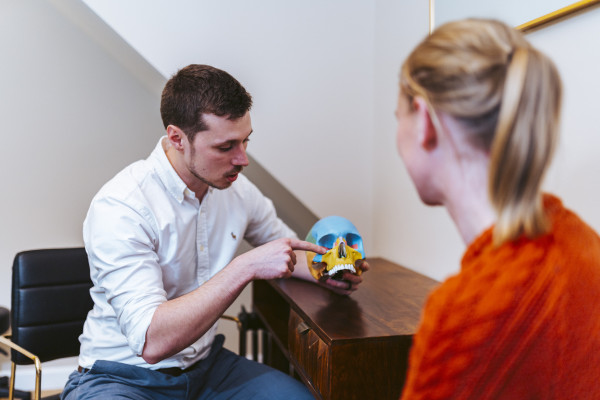
Peak Chiropractic clinician discussing personalised chiropractic care with a client

What Happens at Your Initial Consultation?

Your first visit to Peak Chiropractic & Kinesiology is all about getting to know you, understanding your concerns and finding out how we may be able to help. Here's what you can expect.

1

A Warm Welcome

When you arrive at one of our clinics, our friendly team will welcome you and help you get settled. You'll be asked to complete a health questionnaire so we can learn more about your health history and any concerns you may have.

2

Getting to Know You

Your chiropractor will take the time to listen to your story. We'll discuss your symptoms, medical history, lifestyle and how your discomfort may be affecting your everyday activities. We also want to understand what you'd like to achieve from chiropractic care.

3

Assessing How Your Body Moves

Your chiropractor will carry out an assessment to better understand how your body is moving and functioning. Depending on your needs, this may include checking your posture, spinal movement, mobility and areas of discomfort.

4

Looking Beyond Your Symptoms

At Peak, we don't just focus on where you feel pain. We also consider the physical and lifestyle stressors that may be contributing to your discomfort, helping us build a clearer picture of your overall health and movement.

5

Discussing Your Next Steps

Your chiropractor will explain the initial findings, answer your questions and discuss what happens next. If further assessment is needed, we'll explain why. Your personalised care recommendations will be discussed at your separate Report of Findings appointment.

What Happens After Your Initial Consultation?

Your next appointment is your Report of Findings (ROF), where we'll go through your assessment results in more detail, explain our recommendations and discuss a personalised care plan where appropriate. You'll have the opportunity to ask questions and understand your options before deciding how you'd like to proceed.

Find your
nearest clinic

We have 3 convenient chiropractic clinics across Staffordshire and Derbyshire.

FREE HEALTH RESOURCES

Struggling With Knee Pain?
Discover What Could Be Contributing!

Knee pain can make everyday activities like walking, climbing stairs, kneeling or getting up from a chair more difficult. But did you know that knee discomfort isn't always just about the knee itself? In our blog, we explore how the way your hips, ankles and feet move can influence the demands placed on your knees, and why assessing these areas may help build a better understanding of your symptoms. If you're searching for knee physiotherapy near you or exploring different options for knee pain treatment, discover how Peak Chiropractic & Kinesiology takes a whole-body approach to assessing knee pain.

Read the Blog

Frequently Asked Questions About Knee Pain

Answers to common questions about knee pain, chiropractic care and what to expect at Peak Chiropractic.

1 What causes knee pain?

Knee pain can have several causes, including ligament injuries, meniscus injuries, tendon irritation, bursitis, osteoarthritis and pain around the kneecap. Repetitive movements, sudden increases in physical activity and previous injuries may also contribute to knee discomfort.

At Peak Chiropractic, we take the time to understand your symptoms, health history and movement patterns, including how your hips, ankles and feet function, to help identify possible contributing factors.

2 Can chiropractic help with knee pain?

Some people with musculoskeletal knee pain may benefit from conservative care involving appropriate exercises, movement advice and, where suitable, manual therapy. However, evidence for chiropractic adjustments specifically treating knee pain is limited.

At Peak Chiropractic, we assess your knee movement, symptoms and overall physical function before discussing whether our approach is appropriate for you or whether another treatment or referral would be more suitable.

3 Why does my knee feel stiff?

Knee stiffness can occur for several reasons, including osteoarthritis, swelling, previous injuries, inflammation or spending long periods in one position.

Gentle movement may help some types of stiffness, but persistent stiffness, swelling or difficulty fully bending or straightening your knee should be professionally assessed to help determine the cause.

4 Can chiropractic help with chronic knee pain?

Chronic knee pain may be influenced by several factors, including arthritis, previous injuries, muscle strength, activity levels and changes in the way the nervous system processes pain.

Depending on the cause, a programme involving appropriate exercise, rehabilitation and movement advice may be beneficial. At Peak Chiropractic, we consider your individual circumstances and discuss suitable options rather than assuming one treatment will work for everyone.

5 Why does my knee hurt when climbing stairs or squatting?

Climbing stairs and squatting increase the demands placed on your knee joint and surrounding muscles. Pain during these activities may be associated with patellofemoral pain, osteoarthritis, tendon problems or other knee conditions.

Assessing your movement, muscle strength and the location of your discomfort can help identify possible contributing factors and guide appropriate care.

6 Can problems with my hips, ankles or spine contribute to knee pain?

Yes. The hips, knees and ankles work together during everyday activities. Changes in strength, mobility or movement in one area can sometimes influence the demands placed on another.

Certain hip or lower back conditions can also cause referred pain that is felt around the knee. This is why our assessment at Peak Chiropractic may include areas beyond the knee itself, depending on your symptoms.

7 Can stress make knee pain worse?

Stress and poor sleep can influence how sensitive your nervous system is to pain. They may also affect your activity levels, recovery and ability to cope with ongoing discomfort.

However, knee pain should not automatically be attributed to stress. Physical injuries, joint conditions and other medical causes should also be considered. At Peak Chiropractic, we take a broader view of your health and lifestyle during your assessment.

8 Should I rest or keep moving with knee pain?

For many uncomplicated knee problems, gentle movement within comfortable limits can help maintain mobility and muscle strength. Complete rest for long periods is not always necessary.

However, it may be appropriate to temporarily reduce activities that significantly aggravate your symptoms. If your knee pain follows a significant injury, is severely swollen or prevents you from bearing weight, seek medical assessment before attempting exercises.

9 What exercises are good for knee pain?

Depending on the cause of your knee pain, exercises that improve quadriceps strength, hip strength, balance and joint mobility may be helpful.

Activities such as gentle cycling, seated knee extensions and controlled strengthening exercises may be suitable for some people. However, exercises should be adapted to your symptoms, abilities and diagnosis.

At Peak Chiropractic, your clinician can discuss suitable exercises or recommend rehabilitation support where appropriate.

10 What is the fastest way to relieve knee pain?

There is no single quick solution for every type of knee pain. Temporarily reducing aggravating activities, using a cold pack wrapped in a towel and taking suitable pain relief may help manage some symptoms.

A pharmacist can advise you about appropriate pain relief. If your knee pain persists, worsens or repeatedly returns, a professional assessment can help determine suitable next steps.

11 How long does knee pain take to heal?

Recovery times vary depending on the cause and severity of your knee pain. Mild strains may improve within a few weeks, while more significant ligament injuries, tendon problems or other conditions may require several months of rehabilitation.

Long-term conditions such as osteoarthritis may require ongoing symptom management rather than having a fixed recovery date. At Peak Chiropractic, we discuss realistic expectations based on your individual circumstances.

12 Should I wear a knee brace or support?

Knee braces can be useful for certain injuries, instability and some types of arthritis. Depending on the condition, they may provide additional support, improve confidence during movement or help manage discomfort.

However, a brace is not a replacement for appropriate assessment and rehabilitation. If a healthcare professional has recommended a knee brace, do not stop using it without discussing this with them.

At Peak Chiropractic, we consider your movement, muscle strength and individual needs when discussing ways to support knee function.

13 Will my knee pain go away on its own?

Some cases of mild knee pain improve naturally over time, particularly when associated with a temporary increase in activity or a minor strain.

However, not all knee conditions resolve without treatment. If your symptoms are persistent, worsening, repeatedly returning or affecting your ability to walk and carry out everyday activities, seeking professional advice can help identify appropriate next steps.

14 Why does my knee pain keep coming back?

Recurring knee pain may be influenced by previous injuries, changes in physical activity, muscle weakness, repetitive loading or an underlying joint condition such as osteoarthritis.

At Peak Chiropractic, we consider how your knee and surrounding areas move and function, alongside your health history and everyday activities, to help identify factors that may be contributing to recurring discomfort.

15 When should I seek help for knee pain?

Consider seeking professional advice if your knee pain lasts more than a few weeks, keeps returning, worsens or interferes with your work, sleep, exercise or everyday activities.

Contact NHS 111 for urgent advice if your knee is very painful, severely swollen, has changed shape, locks, gives way or prevents you from bearing weight. A hot or red knee accompanied by a fever may indicate an infection and requires urgent medical assessment.

New calf swelling, warmth or pain may also require urgent medical assessment. If you experience these symptoms alongside chest pain or breathlessness, call 999.

16 Do I need an X-ray or MRI for knee pain?

Not everyone experiencing knee pain needs an X-ray or MRI. Many knee conditions can initially be assessed through a discussion of your symptoms, medical history and a physical examination.

An X-ray may be appropriate if a fracture or certain bone and joint problems are suspected. MRI may sometimes be recommended to investigate ligament, meniscus or other soft-tissue injuries when the results would influence treatment.

Following your assessment, your clinician can discuss whether further investigation or referral is appropriate.

17 How much will chiropractic care cost after my initial consultation?

The cost of ongoing chiropractic care at Peak depends on your individual needs and your clinician's recommendations.

We offer different care packages, which vary in price. Your chiropractor will discuss suitable options and their costs with you during your Report of Findings appointment, so you can make an informed decision before starting a care plan.

18 Will chiropractic treatment for knee pain hurt?

Chiropractic treatment is not generally intended to be painful, although some techniques may cause temporary discomfort, particularly if the area is already sensitive.

Some people experience mild soreness or stiffness following manual therapy. Your chiropractor will explain any recommended techniques, their potential benefits and risks, and encourage you to speak up if anything feels uncomfortable.

If your symptoms worsen significantly following treatment, contact your clinician or seek medical advice as appropriate.

19 Why might care for knee pain take longer than a few weeks?

Everyone responds differently to care. Factors such as the underlying cause of your knee pain, how long you have experienced symptoms, previous injuries, overall health and physical activity levels can influence recovery.

Improving muscle strength, joint mobility and confidence in movement can take time. Some people may benefit from a longer period of rehabilitation or support, while others may require different treatment.

At Peak Chiropractic, your clinician will explain their recommendations and review your progress regularly. There is no fixed treatment duration that applies to everyone.

20 What should I wear to my knee pain appointment?

We recommend wearing comfortable, loose-fitting clothing that allows you to move your knees, hips and ankles freely during your assessment.

Shorts or loose-fitting trousers may be particularly helpful, as they allow your clinician to access and assess your knee and surrounding areas while keeping you comfortable.

Our team will also discuss your symptoms, health history and any previous injuries to help build a better understanding of your knee pain.