7 Simple Tips to Improve Your Gut Health Today
Posted Aug 11, 2026 at 16:44

Posted Aug 11, 2026 at 16:44
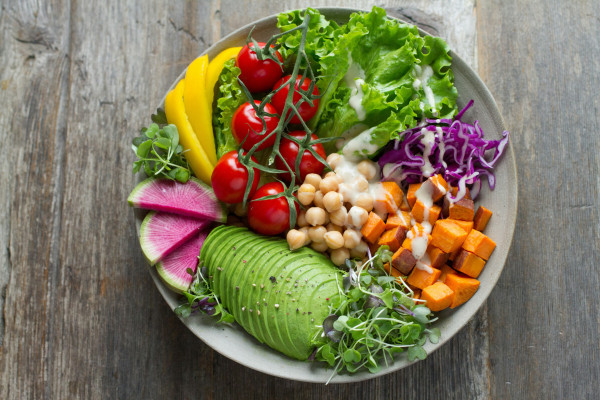
Nutritional advice seems to change constantly. New trends take the internet by storm, only to quietly fade out a few months later, which makes it genuinely hard to know what's actually worth following. One thing worth remembering upfront: you don't need to overhaul everything at once. Start small, pick one change that genuinely resonates with you, try it, then add another. Before long, you'll notice these small shifts adding up into real, lasting change.
The microbiome, the community of bacteria living in your gut, is remarkably diverse and plays a central role in immune function. When it falls out of balance, that imbalance can affect your immune system in ways that show up across the body, from skin issues like eczema to hormonal imbalances, chronic inflammation, and even mood-related symptoms like anxiety or low mood.
The microbiome thrives on variety, essentially "eating the rainbow" through a wide range of natural foods. Unfortunately, the typical Western diet tends to be fairly limited in variety and heavy on processed food. Frequent medication use doesn't help either. Even common over-the-counter options like ibuprofen and paracetamol can affect gut flora, not to mention antibiotics and various prescription medications. Stress is another major factor working against a healthy gut.
Eat mindfully. Sit down properly and pay attention to what you're eating: the taste, the texture, the nutrients you're providing your body. Genuinely enjoy the experience rather than rushing through it.
Build your diet around vegetables and whole foods. Include prebiotic foods regularly, such as asparagus, bananas, onions, garlic, cabbage, chicory root, lentils, artichokes, and root vegetables generally. Antioxidant-rich foods like berries, and superfoods such as spirulina, are worth adding too.
Starve the unhelpful bacteria. This one matters a lot. Unhealthy gut bacteria thrive on sugar, processed food, caffeine, and alcohol. The more of these you consume, the more you're feeding bacteria you don't actually want more of.
Eat fermented foods. Kefir (ideally a non-dairy option), sauerkraut, kimchi, miso, and tofu all support a healthier gut environment.
Track your food variety. Write down what you eat for a week and count the different foods involved. Around 20 is typical for a Western diet, so if you're near that number, it's worth deliberately adding more variety.
Try time-restricted eating for gut health. This isn't the same as intermittent fasting for weight loss. It simply means eating within a 10 to 12 hour window each day, then giving your gut a genuine 12 to 14 hour break.
Drink plenty of water. A simple habit, but an important one for overall gut and digestive function.
These are foundational tips rather than a complete, personalised plan, and they may need adjusting based on your individual circumstances. Even so, they represent sensible, evidence-informed starting points for anyone wanting to support their gut health more deliberately.
Why does gut health affect more than just digestion? The gut microbiome plays a significant role in immune function, and imbalances there have been linked to a wide range of issues beyond digestion, including skin conditions, hormonal problems, and mood-related symptoms.
What foods should I avoid for better gut health? Sugar, heavily processed food, excess caffeine, and alcohol tend to feed unhelpful gut bacteria, so reducing these where possible supports a healthier microbiome balance.
Do I need to try every gut health tip at once? No. Starting with one change that genuinely appeals to you, and building from there gradually, tends to be far more sustainable than attempting a complete overhaul immediately.
Is time-restricted eating the same as intermittent fasting? Not quite. The approach described here focuses specifically on giving your gut a consistent daily break of around 12 to 14 hours, rather than following a structured intermittent fasting protocol.
How many different foods should I be eating each week? There's no strict target, but greater variety generally supports a more diverse, resilient microbiome. If you're eating around 20 different foods a week, which is typical, aiming for more variety can help.