Why Benefits of Chiropractic Medicine Include Nutrition Too
Posted Jul 24, 2026 at 13:00

Posted Jul 24, 2026 at 13:00
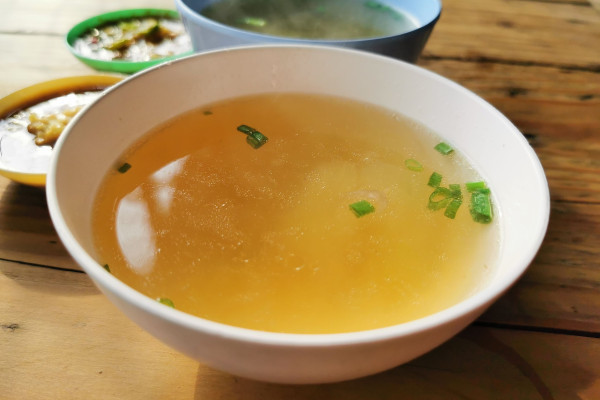
A great way to avoid wasting leftover bones and tissue after stripping the meat off is to turn them into a nutritious bone broth. It's a genuinely satisfying kitchen habit, and there are real nutritional benefits worth understanding, alongside a few claims about bone broth that get repeated more confidently than the evidence actually supports. At Peak Chiropractic, we think good nutrition is part of a whole-body approach to health, which is one of the benefits of chiropractic medicine that goes beyond hands-on treatment.
Simmering bones and connective tissue releases a mix of nutrients into the water, including collagen and protein. Collagen is genuinely important; it's a major structural protein in your skin, tendons, and connective tissue, and getting enough protein in your diet generally supports tissue repair and recovery. That said, it's one building block among many, not "the" building block for most of your body's tissues.
Bone broth is often marketed as rich in glucosamine, a compound sometimes used in supplement form for joint health. The honest picture here is mixed: clinical trials on glucosamine supplements have produced inconsistent results, and the amount of glucosamine that actually ends up in homemade broth varies a lot and isn't reliably at a level shown to help. If joint pain is something you're dealing with, bone broth is a pleasant addition to your diet, but it isn't a substitute for a proper assessment of what's actually driving the pain.
Vitamin C is genuinely important for healing, skin health, and tissue elasticity, but bone and connective tissue aren't a strong source of it; any vitamin C in your finished soup mostly comes from the vegetables you add, not the bones themselves. Vitamin B12, on the other hand, is a fair claim: it's involved in producing the red blood cells that carry oxygen around your body, and animal bones and marrow do contain B12.
This isn't about bone broth being a miracle food; it's about the bigger picture. Chiropractic care near me that only looks at hands-on treatment misses part of the story, since how well your tissues repair and recover depends on more than spinal alignment alone. Good, varied nutrition, adequate protein, vitamin C from vegetables and fruit, and enough calcium and vitamin D, all support your body's ability to recover from injury and manage ongoing conditions like osteoarthritis. You can read more about our whole-body approach to assessment, or how we investigate ongoing joint and back pain.
If you'd like to try it, simmer your leftover bones for 6 to 24 hours, topping up the water regularly so it doesn't boil dry (this matters, since a dry pot can fill your kitchen with smoke). Once done, strain off the bones and use the liquid as a base for a simple soup. A straightforward chicken and vegetable version works well: onion, carrot, parsnip, whole broccoli, salt, pepper, and a dash of hot sauce if you like a bit of a kick.
If you're managing ongoing joint pain and want to understand what's actually driving it, rather than relying on diet alone, book an initial consultation, or contact the team if you have questions first.
Does bone broth really help with joint pain?
It may support general nutrition, but the evidence for a direct, meaningful effect on joint pain is weak. The glucosamine content in homemade broth is inconsistent and generally too low to match what's been studied in supplement trials, which themselves show mixed results.
Is bone broth a good source of vitamin C?
Not really. Bone and connective tissue don't contain much vitamin C, so most of what ends up in your finished soup comes from the vegetables you add, not the broth itself.
What does bone broth actually offer nutritionally?
Protein, collagen, and some minerals, along with vitamin B12 if you're using animal bones. It's a genuinely nutritious base for soup, just not a targeted treatment for joint conditions on its own.
Why does nutrition matter as part of chiropractic care?
Because how well your body repairs and recovers depends on more than spinal alignment alone. Adequate protein, vitamins, and minerals all support tissue repair, which is part of why a whole-body approach looks beyond hands-on treatment.
Should I stop taking glucosamine supplements if the evidence is mixed?
That's a conversation worth having with your GP or pharmacist, since individual responses vary. If you've found it helps you personally, that's worth weighing alongside the general research picture.