Cross Crawl Moves Are Included In Our Care
Posted Aug 12, 2026 at 10:27

Posted Aug 12, 2026 at 10:27
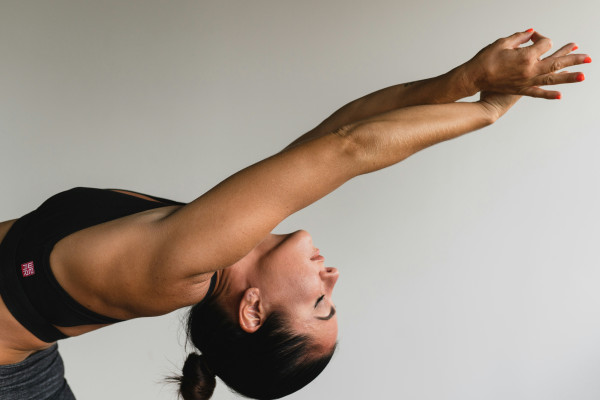
The cross crawl pattern is a movement that helps stimulate both the nervous system and brain function, based on one of the most natural ways your body is designed to move: using opposition between the right and left sides, much like the motion of walking.
In recent years, a growing body of research has explored the genuine benefits of cross crawl exercises for the brain.
The cross crawl pattern uses opposing movement, the kind you see naturally in crawling, swimming, and walking. In practice, this means opposite sides of the body work together: right arm with left leg, right leg with left arm. Therapeutically, cross crawl refers to intentional movement where the opposite arm and leg cross the body's midline, such as touching an opposite hand to foot, or an opposite elbow to knee.
A simple version is easy to try: stand with your feet shoulder-width apart, bring your left elbow to your right knee, then repeat on the other side. There are countless variations beyond this basic version too.
Performing these movements helps build stronger communication between the left and right hemispheres of the brain. This has been linked to several benefits, including improved cognitive function, reduced anxiety, and increased creativity. Cross crawl exercises also appear to increase blood flow and oxygen delivery to the brain, which can support better focus and concentration.
It's worth noting one specific finding here with appropriate care: an early study explored whether cross crawl exercises could help with symptoms associated with ADHD and autism, and found some promising signals. That said, this is based on limited, early-stage research rather than a large or conclusive body of evidence. It shouldn't be read as a replacement for established therapies or professional guidance for these conditions, but rather as one area worth further research.
The benefits don't stop at cognitive function. Cross crawl movement can also help relieve stress, reduce fatigue, and support better energy levels. It's also linked to nervous system benefits more broadly, since the nervous system relays information between the brain and body. The pattern stimulates nerve fibres running through the spinal cord, including both sides simultaneously, which can support better balance and coordination.
Any movement where you bring an opposite leg to an opposite arm counts, and you can do this virtually anywhere, at home, in the gym, or outdoors. All you need is enough space to step to either side or swing your legs freely.
One effective way to use it is as part of a warm-up. Adding cross crawl movements at the start of a session helps prime the central nervous system and prepares the body for what's ahead. If you want more of a challenge, adding light weights can make the movement even more effective at stimulating the nervous system and supporting brain function.
However you choose to work it in, cross crawl exercises are a genuinely simple way to support your overall health and wellbeing. If you're researching chiropractic care near me because you're curious how movement patterns like this fit into a broader approach to nervous system health, it's worth asking directly rather than guessing at what applies to your situation.
Choosing chiropractic clinic near me options that understand this kind of movement-based work means you get guidance tailored to you, not just a generic exercise sheet. And of course, alongside trying cross crawl exercises yourself, seeing your chiropractor regularly and staying adjusted is a great way to keep your nervous system functioning at its best.
What exactly is a cross crawl exercise? It's any intentional movement where an opposite arm and leg cross the body's midline, such as touching an elbow to the opposite knee. It mirrors the natural opposition pattern used in walking, crawling, and swimming.
Can cross crawl exercises really improve brain function? Research suggests they support communication between the brain's hemispheres, which has been linked to benefits like improved focus, reduced anxiety, and better coordination.
Is cross crawl a proven treatment for ADHD or autism? No. One early study found some promising signals, but the evidence base is still limited. It shouldn't replace established therapies or professional guidance for these conditions.
How often should I do cross crawl exercises? There's no fixed rule, but many people find it useful as a warm-up before other exercise, since it helps prime the nervous system. Doing it a few times a week is a reasonable starting point.
Do I need any equipment to try cross crawl exercises? No. The basic movement requires nothing beyond enough space to step to either side. Adding light weights is optional for those wanting more of a challenge.