How Spinal Adjustments Help Break the Stress Cycle
Posted Aug 11, 2026 at 11:50

Posted Aug 11, 2026 at 11:50
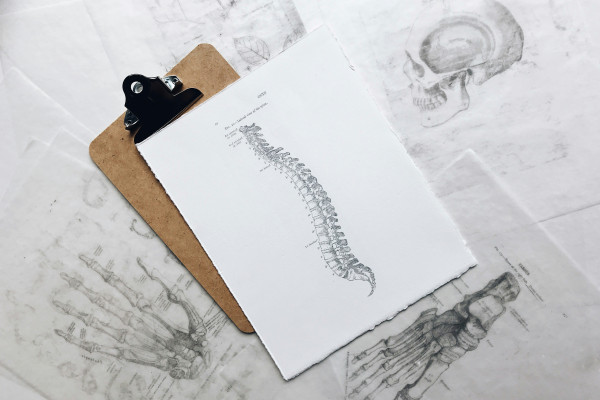
Chiropractic has existed as a profession since 1895, best known for helping relieve pain, most often in the spine. When people first come to see us, it's usually because of back pain. But very few understand what an adjustment actually does inside the body, and there's no reason you should. Even researchers are still working out exactly what happens, and the wider benefits regular adjustments can have.
Today we want to share some of the most current research, to help you understand what's actually happening in your body, and why we approach care the way we do.
Have you heard of the prefrontal cortex? If you don't have a background in human biology, probably not. It's the most forward portion of your brain, sitting right behind your forehead, and it's responsible for a great deal: impulse control, focused attention, planning and problem-solving, memory, personality, and motivation. It also helps regulate your limbic system, the part of your brain responsible for behavioural and emotional responses, including fight-or-flight.
When the prefrontal cortex isn't working properly, the limbic system runs largely unchecked. Under stress, limbic activity increases further, activating your sympathetic nervous system. This triggers the fight-or-flight response, which reduces regulation of blood pressure, breathing rate, heart rate, and heart rate variability. It also reduces resilience and sleep quality, while increasing inflammation and gastrointestinal problems. Not a pleasant list.
Under stress, we get caught in a genuinely vicious cycle: the prefrontal cortex shuts down, the limbic system goes into overdrive, and the fight-or-flight response fires repeatedly. Breaking that cycle means switching the prefrontal cortex back on.
Research has shown that spinal adjustments can meaningfully increase activity in the prefrontal cortex. That matters more than it might first appear, because we're exposed to stress every single day, often without even realising it. Stress shows up in different forms, chemical, physical, and emotional among them, and your brain can't actually tell these apart. It sets off the same chain reaction each time it perceives something as a threat.
This is exactly why we don't see clients for just a handful of sessions aimed at temporary back pain relief. All of our clients commit to a minimum of three months of care, because we're not only interested in you feeling good right now. We want your brain and body genuinely functioning well, so you keep feeling good for years to come, not just for a few weeks after your last visit.
If you're searching for a back pain chiropractor near me because back pain is what first brought you here, it's worth knowing there's usually more going on beneath the surface than the pain itself. Understanding how spinal adjustments influence prefrontal cortex activity is part of why our care model looks further than symptom relief alone.
If you've been feeling stressed recently and want to understand more about how that stress is affecting your brain, booking a free discovery visit with our team is a straightforward place to start.
How do spinal adjustments affect the brain? Research suggests spinal adjustments can meaningfully increase activity in the prefrontal cortex, the part of the brain responsible for impulse control, planning, and regulating emotional responses.
Why can't the brain tell different types of stress apart? Chemical, physical, and emotional stress all trigger the same underlying chain reaction in the brain once something is perceived as a threat, regardless of the actual source.
What is the "vicious cycle" mentioned here? It refers to the prefrontal cortex shutting down under stress, allowing the limbic system to become overactive, which repeatedly triggers the fight-or-flight response and keeps the cycle going.
Why does care last a minimum of three months? Because meaningful, lasting change in nervous system function takes longer than a few sessions aimed purely at symptom relief. The goal is functioning well long-term, not just short-term comfort.
Is back pain always the main issue when someone visits a chiropractor? It's often the reason people first book an appointment, but the underlying picture, including nervous system and prefrontal cortex function, is frequently part of a bigger picture than the pain alone.