How Spinal Adjustments Support Brain Neuroplasticity
Posted Aug 14, 2026 at 10:55

Posted Aug 14, 2026 at 10:55
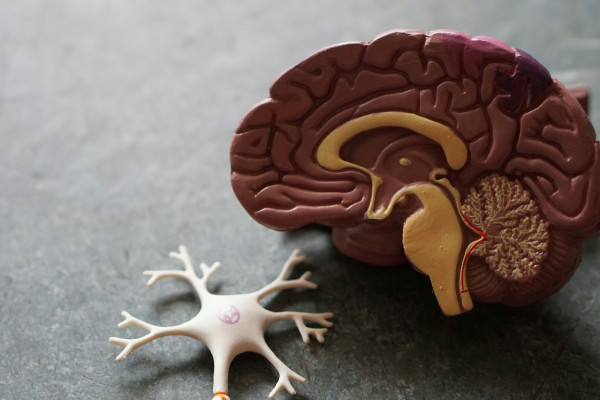
Regular spinal adjustments support your body's ability to function properly and heal itself. They help reduce pain and prevent injuries, support better sleep, ease stress, and help your brain learn and adapt, an ability known as neuroplasticity. Let's take a closer look at what that actually means.
To understand how care like this supports your brain, it helps to start with neuroplasticity itself. Neuroplasticity is your brain's ability to adapt to changes in your environment by forming new neural connections over time. It's how children learn to walk, talk, read, and dress themselves. Even as adults, we're constantly learning new skills, adapting to new situations, and processing information in ways that shift how we think.
Your brain's ability to take in information and stimuli, then convert that into thoughts, behaviours, and abilities, depends entirely on forming new neural connections. That process, in a nutshell, is neuroplasticity.
Neuroplasticity generally happens on its own, without needing outside help. That said, many people genuinely struggle with it, particularly those living with Alzheimer's or dementia, stroke survivors, and people recovering from head or spinal injuries. Losing the ability to speak, eat, or remember things is sometimes described as negative neuroplasticity, which can also carry a real emotional and mental health toll. It's worth being clear that supporting general neuroplasticity isn't a treatment for these underlying neurological conditions themselves, but rather part of supporting overall nervous system function alongside appropriate medical care.
Some negative patterns can shift, though, particularly for otherwise healthy people who tend toward pessimistic or negative thinking. Changing how you think and react to situations and emotions is possible, but it depends on your brain being healthy enough to form new neural pathways. This is where spinal adjustments come in: regular adjustments have been shown to activate the prefrontal cortex and shift brain firing patterns in ways that support this kind of adaptability.
If you're researching spinal adjustments because you're curious how physical care connects to brain function, this is genuinely one of the more interesting links: your spine and your nervous system are far more connected than most people realise, and that connection plays a real role in how well your brain can adapt and change over time.
Finding the best chiropractor near me for this kind of care means looking for a clinic that understands this broader picture, not just spinal health in isolation, but how that health supports the nervous system and brain function as a whole.
Interested in helping your body function at its highest level? Booking yourself in for a free discovery visit with our team is a great place to start.
What exactly is neuroplasticity? It's your brain's ability to form new neural connections in response to your environment and experiences. It's how we learn new skills, adapt to change, and process new information throughout life.
Can spinal adjustments really affect brain function? Research suggests regular spinal adjustments can activate the prefrontal cortex and shift brain firing patterns, which supports the kind of neural adaptability involved in neuroplasticity.
Does this mean spinal adjustments can treat conditions like dementia or stroke damage? No. Supporting general neuroplasticity is not a treatment for underlying neurological conditions like Alzheimer's, dementia, or stroke. These require appropriate medical care and diagnosis from the right specialists.
Can I actually change a pessimistic or negative thinking pattern? For otherwise healthy people, yes, to some extent. Doing so depends on your brain being able to form new neural pathways, which is influenced by overall nervous system health.
How is neuroplasticity connected to physical health? Your nervous system, including your spine, plays a role in how well your brain processes information and forms new connections, which is part of why physical nervous system health and neuroplasticity are genuinely linked.
Regular spinal adjustments support your body's ability to function properly and heal itself. They help reduce pain and prevent injuries, support better sleep, ease stress, and help your brain learn and adapt, an ability known as neuroplasticity. Let's take a closer look at what that actually means.
To understand how care like this supports your brain, it helps to start with neuroplasticity itself. Neuroplasticity is your brain's ability to adapt to changes in your environment by forming new neural connections over time. It's how children learn to walk, talk, read, and dress themselves. Even as adults, we're constantly learning new skills, adapting to new situations, and processing information in ways that shift how we think.
Your brain's ability to take in information and stimuli, then convert that into thoughts, behaviours, and abilities, depends entirely on forming new neural connections. That process, in a nutshell, is neuroplasticity.
Neuroplasticity generally happens on its own, without needing outside help. That said, many people genuinely struggle with it, particularly those living with Alzheimer's or dementia, stroke survivors, and people recovering from head or spinal injuries. Losing the ability to speak, eat, or remember things is sometimes described as negative neuroplasticity, which can also carry a real emotional and mental health toll. It's worth being clear that supporting general neuroplasticity isn't a treatment for these underlying neurological conditions themselves, but rather part of supporting overall nervous system function alongside appropriate medical care.
Some negative patterns can shift, though, particularly for otherwise healthy people who tend toward pessimistic or negative thinking. Changing how you think and react to situations and emotions is possible, but it depends on your brain being healthy enough to form new neural pathways. This is where spinal adjustments come in: regular adjustments have been shown to activate the prefrontal cortex and shift brain firing patterns in ways that support this kind of adaptability.
If you're researching spinal adjustments because you're curious how physical care connects to brain function, this is genuinely one of the more interesting links: your spine and your nervous system are far more connected than most people realise, and that connection plays a real role in how well your brain can adapt and change over time.
Finding the best chiropractor near me for this kind of care means looking for a clinic that understands this broader picture, not just spinal health in isolation, but how that health supports the nervous system and brain function as a whole.
Interested in helping your body function at its highest level? Booking yourself in for a free discovery visit with our team is a great place to start.
What exactly is neuroplasticity? It's your brain's ability to form new neural connections in response to your environment and experiences. It's how we learn new skills, adapt to change, and process new information throughout life.
Can spinal adjustments really affect brain function? Research suggests regular spinal adjustments can activate the prefrontal cortex and shift brain firing patterns, which supports the kind of neural adaptability involved in neuroplasticity.
Does this mean spinal adjustments can treat conditions like dementia or stroke damage? No. Supporting general neuroplasticity is not a treatment for underlying neurological conditions like Alzheimer's, dementia, or stroke. These require appropriate medical care and diagnosis from the right specialists.
Can I actually change a pessimistic or negative thinking pattern? For otherwise healthy people, yes, to some extent. Doing so depends on your brain being able to form new neural pathways, which is influenced by overall nervous system health.
How is neuroplasticity connected to physical health? Your nervous system, including your spine, plays a role in how well your brain processes information and forms new connections, which is part of why physical nervous system health and neuroplasticity are genuinely linked.