Why Weak Glutes Block Lasting Lower Back Pain Relief
Posted Jul 24, 2026 at 12:54

Posted Jul 24, 2026 at 12:54
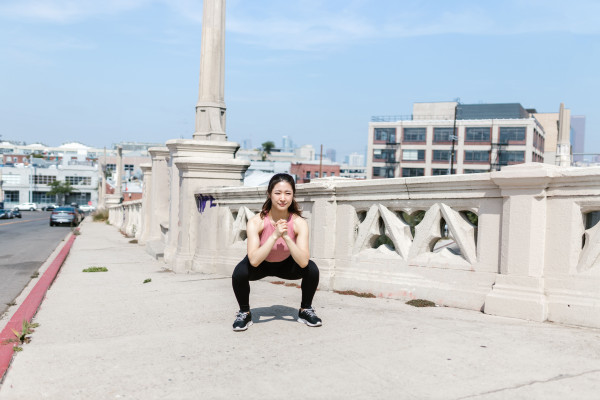
From "lazy glutes" to "peachy bum" trends, the gluteal muscles get talked about constantly, though usually for the wrong reasons. Your gluteus maximus, the largest of the group, leads a team that also includes the gluteus medius and minimus, and together they're essential for hip stability. With hip fractures being one of the most common reasons for loss of independence in older adults, this muscle group deserves more serious attention than it usually gets. If you're searching for lower back pain relief, your glutes are often part of the picture.
At the clinic, we look at the body as a whole, and the gluteal muscles genuinely link several areas together. The gluteus maximus connects with the muscles running along your spine, the erector spinae, and your hamstrings, and it's also part of what's sometimes called a functional sling connecting it with the latissimus dorsi on the opposite side of your back. This means your shoulder or neck problem may genuinely be linked to weakness or tightness in your glutes, even though that connection isn't obvious at first glance.
Tight gluteus maximus can pull on your sacroiliac joint and your IT band, affecting your gait and potentially leading to imbalance and pain in your hips, groin, and lower back.
Weakness in this area tends to work differently: it places more strain on your lower back and can affect your gait by forcing your torso to shift forward or sideways, depending on which muscle in the group is affected. Over time, this leads to more uneven weight distribution through your hips and legs, and further problems down the chain.
If you want to feel more freedom of movement and more confidence in your body while doing the things you love, keeping your glutes in good working order matters. With increasingly sedentary lifestyles, it's easy to neglect this muscle group, and each week in clinic we see people who've developed shoulder, lower back, knee, or ankle problems that trace back to issues around the hip.
If you notice your hips swinging or pushing forward when you walk, or you get back pain when walking, standing, or straightening up after leaning forward, that may point to a glute-related issue. If you're searching for hip pain treatment near me, this is often one of the first areas we assess.
Your nervous system may need support to get these muscles functioning properly again, often through a combination of chiropractic adjustment and myofascial work. This is part of why chiropractic care near me tends to look at your whole movement pattern rather than just the area that hurts. You can read more about our whole-body approach to assessment, or how issues here connect to ongoing back pain and shoulder pain.
If you'd like to get to the root of your aches and pains, book an initial consultation, or contact the team if you have questions first.
Why do my glutes matter for back pain?
Your gluteus maximus connects with the muscles running along your spine and your hamstrings, so tightness or weakness here can create strain in your lower back, even if the glutes aren't where you feel the pain.
Can weak glutes really cause shoulder or neck pain?
It's possible, since your gluteus maximus is part of a functional connection with the latissimus dorsi on the opposite side of your back, so problems in one area can sometimes relate to the other.
How do I know if my glutes are contributing to my pain?
Signs include your hips swinging or pushing forward while walking, back pain that appears when walking, standing, or straightening up after bending forward, and general hip or groin discomfort.
What's the difference between tight and weak glutes?
Tight glutes can pull on your sacroiliac joint and IT band, contributing to imbalance and pain, while weak glutes tend to shift extra strain onto your lower back and affect how your torso moves as you walk.
Can chiropractic care help with glute-related issues?
It can play a part, often combining chiropractic adjustment with myofascial work to help support how these muscles function, alongside addressing any wider movement patterns contributing to the problem.