New Research Links Grip Strength To Biological Aging
Posted Aug 21, 2026 at 11:56

Posted Aug 21, 2026 at 11:56
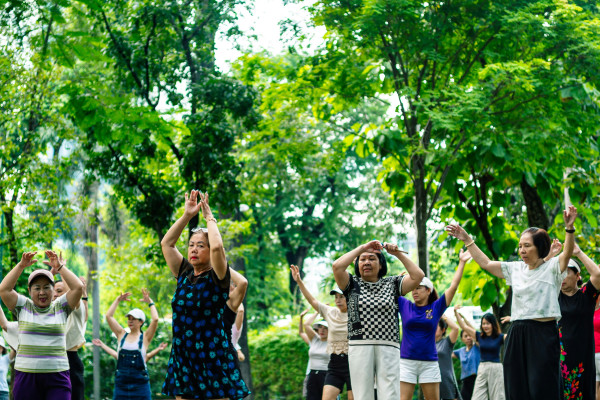
Imagine a pill that could give you real control over the ageing process: something that slowed biological ageing, made you feel better physically, mentally, and emotionally each day, and improved your odds of living longer while staying healthy well into old age. No such pill exists. But the case for keeping up physical strength as a way to slow the biological clock has become remarkably strong.
New research shows that biological age, meaning how old your body genuinely is on the inside, regardless of the number on your birthday cake, can be estimated using grip strength as a proxy. It's one of ten key measures we look at during our own initial consultations, precisely because it tells us so much in such a simple test.
Mark Peterson, an associate professor of physical medicine and rehabilitation at the University of Michigan, has studied this connection closely over a number of years. His research team has established that muscular strength predicts longevity, while weakness serves as a genuinely powerful early indicator of disease risk and mortality across large populations.
Peterson and his colleagues compared grip strength across 1,274 middle-aged adults against DNA-based biomarkers of ageing. Over ten years of measurements, people with weaker grips consistently aged faster than their peers, based on these biological markers. Separate research using the same biomarkers has linked accelerated biological ageing to a wide range of health risks, including diabetes, heart attacks, disability, dementia, and earlier death. What makes this particularly striking is that grip strength is such a simple, low-cost measure to take, yet it appears to carry real predictive weight about what's happening throughout the rest of the body.
This particular study, published in the Journal of Cachexia, Sarcopenia and Muscle in 2022, adds real weight to something clinicians have suspected for years now: that strength isn't simply about looking capable on the surface, it's a genuine window into how well your whole body is coping with the broader ageing process underneath.
Reducing your risk of age-related frailty means keeping your strength up through middle age and into older adulthood, and this matters more the later in life it happens. Strength built earlier in life provides a helpful buffer, but strength kept up later provides real, practical protection right when it matters most for your everyday independence.
At Peak, we try to practise what we preach, and that includes getting regular chiropractic care near me, staying active through proper workouts, and mixing aerobic activity with strength training alongside plenty of time spent outdoors. Strength isn't something you build once and forget about. It requires consistent attention, in much the same way your spine and nervous system benefit from ongoing rather than one-off care.
If this sounds like an approach worth taking for yourself, searching for chiropractic care near me is a sensible place to start. A genuinely thorough chiropractor near me should look at markers like grip strength as part of a wider picture of your health, not as an isolated number disconnected from everything else going on in your body. Our structured six-step process explains how measures like this feed into your ongoing care, and our approach to your overall health goes into more depth on why we look well beyond the area that hurts. When you're ready, book a free discovery visit with your local clinic to find out where you currently stand.
How does grip strength relate to biological ageing?
Research has found that people with weaker grip strength tend to show faster biological ageing on DNA-based markers, even when their actual age in years is identical to someone with a stronger grip.
Can improving my grip strength actually slow ageing?
While grip strength itself is more of an indicator than a direct cause, building overall muscular strength through regular training is strongly linked to healthier, slower biological ageing.
Why is this measured during an initial consultation?
It's a quick, simple way to gather meaningful information about your broader health status, alongside nine other key vitality markers we assess together.
Is this only relevant for older adults?
No. Building and maintaining strength earlier in life creates a stronger foundation, though the protective value becomes even greater as you move into later adulthood.
What kind of exercise helps most?
A mix of strength training and aerobic activity tends to offer the most well-rounded benefit, alongside regular movement and time spent outdoors.