Planks Are Better Than Sit-ups. But That's Just Our Opinion
Posted Aug 12, 2026 at 09:58

Posted Aug 12, 2026 at 09:58
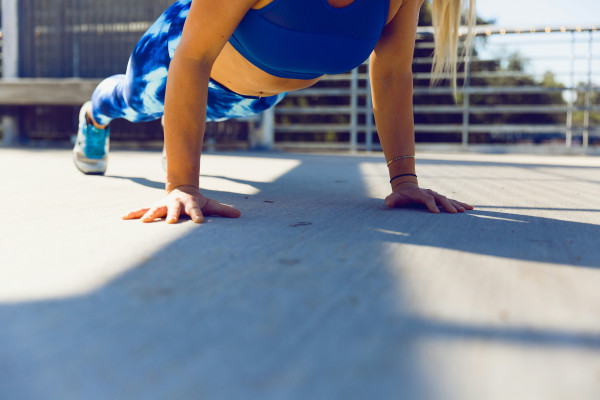
In the clinic, people often ask what exercise they should be doing. With modern, increasingly sedentary lifestyles, core muscles frequently weaken over time, which can contribute to a range of spinal problems. The go-to fix most people reach for is sit-ups. It's time to look honestly at whether that's actually the right call.
Sit-ups were once a standard part of most workouts, but research has shown they don't reduce your waistline or shift abdominal fat. More importantly, they're not the ideal way to build a strong, resilient core either. Here are five reasons why.
Sit-ups target the rectus abdominis, and this particular muscle doesn't actually need stretching. In fact, stretching it can do more harm than good, potentially leading to pain and discomfort. A better approach is strengthening exercises instead, such as planks, bridges, and leg lifts.
Sit-ups are one of the more common causes of strained backs and necks, according to research published in the Journal of Strength and Conditioning Research, which found them among the more likely exercises to cause injury compared to alternatives.
Your abdominal muscles matter for core strength and stability, but the rectus abdominis, the muscle sit-ups primarily target, is only one of several. The core also includes the transverse abdominis, the internal and external obliques, and the quadratus lumborum. Sit-ups leave most of these largely untouched.
Plank exercises activate all four major muscle groups in the abdominal region at once, making them a more complete and effective way to build core strength while reducing injury risk compared to sit-ups.
If you're hoping extra sit-ups will help with weight loss, it's worth resetting expectations. While they might work up a sweat, sit-ups don't burn a significant number of calories, and they're far from the most efficient way to try.
Research generally points to a combination of aerobic exercise and strength training as the most effective approach for reducing waist circumference. For targeting the abdominal area specifically, exercises like planks and bridges work from multiple angles, engaging more muscle groups simultaneously.
If you'd still rather stick with sit-ups, using proper technique matters, and varying your routine with movements like crunches and bicycle crunches can help address some of their limitations.
If you're researching chiropractic near me because you're unsure what core exercises are actually right for your body, it's worth asking directly rather than guessing. Our clinicians and myofascial therapists can assess your specific situation and recommend an approach tailored to you, rather than a generic routine.
Choosing the best chiropractor near me for this kind of guidance means getting advice that accounts for your existing spinal health, not just general exercise science. If in doubt about what's right for you, ask one of our team, or seek advice from a professional trainer alongside it.
Are sit-ups bad for everyone? Not necessarily bad, but they're generally less effective and carry more injury risk than alternatives like planks or bridges, particularly for building genuine core strength and stability.
Will planks help me lose belly fat? Not directly. Like sit-ups, planks don't burn significant calories on their own. Reducing waist circumference generally depends more on a combination of aerobic exercise and overall strength training.
Why do sit-ups cause back and neck strain? The movement pattern involved in a sit-up places repeated stress on the spine and neck, which research has linked to a higher injury rate compared to other core exercises like planks.
What muscles make up the "core," beyond the abs I can see? The core includes the rectus abdominis, transverse abdominis, internal and external obliques, and the quadratus lumborum. Effective core training should engage more than just the visible abdominal muscles.
If I want to keep doing sit-ups, how can I make them safer? Focus on proper technique, and vary your routine with alternatives like crunches or bicycle crunches to reduce strain on any single muscle group or movement pattern.