Why Plantar Fascia Matters for Chiropractic Care
Posted Jul 24, 2026 at 12:08

Posted Jul 24, 2026 at 12:08
Walking is something most of us take for granted, and our bodies are normally built to get us from A to B without much thought.
But being able to walk further, or manage a strenuous up-and-down hill walk, is a genuine goal for many of our clients, whether that's keeping up with grandchildren, exercising the dog properly, or simply enjoying more time outdoors.
If you're searching for chiropractic care near me because your walking has become limited, there's an area that often gets overlooked and plays a bigger role than most people realise: your feet.
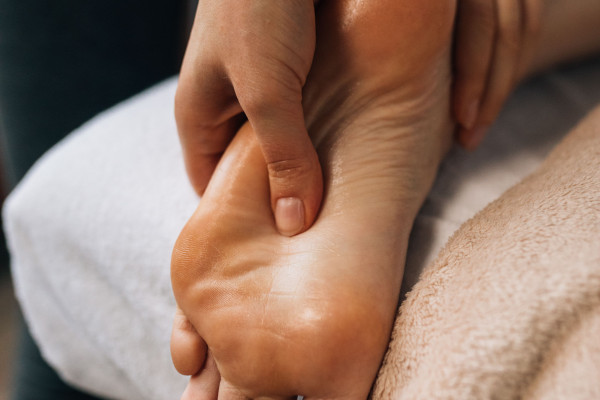
Walking engages muscles throughout your lower and upper body, and keen walkers often pay attention to their quads, hamstrings, or calves, especially the ones they can "feel" after a long walk. One area that gets far less attention is your plantar fascia, the band of strong tissue connecting your toes to your heel. It plays a genuinely important role in absorbing shock and distributing weight as you walk, run, or jump.
Because most of us wear shoes most of the time, our nervous system gets relatively little sensory information from the soles of our feet, and there's little movement through the tissue down there. Tightness in this area is common, even if you've never noticed it directly.
You can get a feel for this yourself. Try sitting on your toes, tucking them under your feet: how does that feel, and how long can you comfortably hold it? You can also try bending forward with straight legs to touch your toes. If you can't reach comfortably, try rolling the sole of your foot on a golf ball for a few minutes and testing again. Many people notice a genuine difference.
This simple exercise can help release tension in the tissue at the bottom of your foot, supporting longer, more comfortable walks. All you need is a golf ball or any firm, round object you can roll underfoot.
The key is to work slowly, with steady, comfortable pressure rather than speed or force. You shouldn't need to push through sharp pain; if something feels sharply painful rather than just a firm, tolerable pressure, ease off and stop. Done gently, this is something you can do while watching TV or reading, without breaking a sweat.
Restriction in your feet doesn't necessarily stay contained to your feet. Because your body's tissue is connected through continuous lines running up your legs and back, tightness at the bottom of your foot can sometimes relate to discomfort or reduced movement elsewhere, in your hamstrings, or even further up. This is part of why the benefits of chiropractic medicine go beyond treating a single area in isolation. You can read more about our whole-body approach to assessment, or how we look at movement and stiffness across your whole spine.
If foot tightness, walking limitations, or general stiffness is holding you back from enjoying a good walk, whether that's a stroll around the block or a proper trip out to the Roaches, book an initial consultation, or contact the team if you'd like to ask about foot mobility first.
What is the plantar fascia?
It's a band of strong connective tissue running from your heel to your toes, playing a key role in absorbing shock and supporting your foot as you walk, run, or jump.
Why does my plantar fascia feel tight if I don't have foot pain?
Wearing shoes most of the time means your feet get relatively little movement and sensory input, which can lead to quiet tightness building up even without obvious pain.
Is the golf ball exercise safe for everyone?
It's generally safe and gentle when done slowly with tolerable pressure. If you have diagnosed plantar fasciitis or ongoing foot pain, it's worth checking with your GP or clinician first, and stopping if you feel sharp pain rather than firm pressure.
Can tight feet really affect my hamstrings or back?
It's possible, since tissue throughout your body is connected along continuous lines, so restriction in one area can sometimes show up as tightness or discomfort elsewhere.
How often should I do the golf ball exercise?
A few minutes, a few times a week, is a reasonable starting point for most people. If you notice ongoing pain rather than gradual improvement, it's worth getting assessed rather than continuing to self-treat.