This Is Why We Don't Refer For MRI's
Posted Aug 17, 2026 at 14:19

Posted Aug 17, 2026 at 14:19
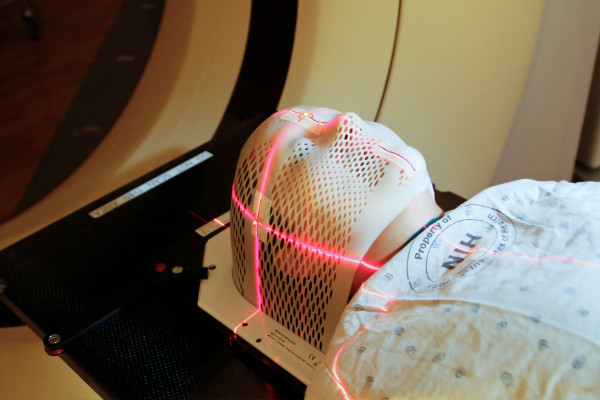
A new client came in this week struggling with lower back pain, genuinely the most common complaint seen in the clinic. What made this visit worth writing about is that they arrived wanting an MRI to find out what was going on, and after just ten minutes of conversation, left with a completely different perspective: function matters far more than feeling. Here's what was discussed, and why only around 5% of clients end up referred for scans.
X-rays, MRIs, and CT scans are genuinely excellent at showing what's physically happening inside the body. But when it comes to explaining pain specifically, the answer might surprise you: scans tell us remarkably little.
Muscles, bones, ligaments, and tendons don't actually generate pain themselves. What they do is send signals to the brain when certain receptors are stimulated, receptors responding to touch, temperature, and chemical changes. When one or more of these receptors activate, that signal travels up through the nervous system to the brain.
This is where it gets genuinely interesting. The brain has to decide whether that incoming signal represents something safe or something dangerous, and it makes that call by drawing on a vast library of past experience. What happened the last time this area was stimulated? Has this happened before, in this environment, at this time of day? The brain runs through all of this in a split second.
If the brain concludes you're safe, the signal gets brushed off and you carry on with your day. If it concludes you're under threat, it sends a signal back that you experience as pain.
Because the brain is the one making this call, what's actually happening in the tissue matters far less than how the brain is interpreting it. This is exactly why a scan can't explain why you're in pain, it can show structural detail, but it can't show how your brain is processing that information.
Sometimes, having a scan can genuinely make things worse. The moment someone hears words like "degeneration" or "wear and tear," that label tends to stick. If you believe your joints have wear and tear, you're likely to change how you move and restrict your activity to avoid causing further damage. Ironically, that restriction and guarding often causes more problems than it prevents.
It's worth being clear, though: this isn't a suggestion to avoid scans altogether. Imaging remains genuinely important when there are red-flag symptoms, such as significant trauma, unexplained weight loss, or new neurological changes like numbness or weakness. For the vast majority of ordinary lower back pain without these signs, though, a scan often adds far less useful information than people expect.
If you've had a scan showing damage to your joints or other tissues and want to understand how that's actually affecting your function, rather than just what it looks like on an image, booking a consultation is the way to find out exactly what's going on.
If you're researching a lower back pain chiropractor near me, it's worth asking how they approach imaging and whether they focus on function over findings. A genuine lower back pain clinic near me should be able to explain what's actually driving your symptoms, not just point to a scan result and stop there.
If you're comparing a chiropractor near me for lower back pain, ask directly how often they refer for imaging and why, since that answer says a lot about their overall approach. Finding the chiropractor best for lower back pain for your situation often comes down to choosing someone who assesses how you actually move and function, not just what a scan happens to show.
Does a normal MRI mean I don't actually have lower back pain? Not necessarily, and the reverse is also true. Scans can show either "damage" in people with no pain, or appear largely normal in people with significant pain, since pain and tissue findings don't always correlate directly.
Why would a chiropractor only refer 5% of clients for imaging? Because for most ordinary lower back pain, imaging findings don't change the recommended approach, and function-based assessment often provides more useful, actionable information.
Is it ever necessary to get a scan for back pain? Yes, particularly if there are red-flag symptoms like significant trauma, unexplained weight loss, or new numbness or weakness. These situations genuinely warrant imaging and shouldn't be avoided.
Can knowing about "wear and tear" on a scan actually make my pain worse? It can contribute to it. Believing you have significant damage can lead to unnecessarily restricting movement, which sometimes causes more problems than the original finding itself.
What does it mean that "function matters more than feeling"? It means that how well your body actually moves and performs day-to-day tasks is often a more useful indicator of your progress than pain levels alone, which can be influenced by many factors beyond tissue damage.