A Sports Therapist for Sports Injuries Looks Beyond RICE
Posted Jul 30, 2026 at 12:37

Posted Jul 30, 2026 at 12:37
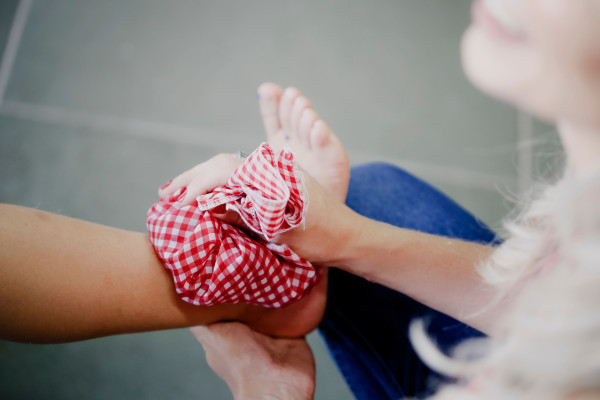
As we focus on promoting optimal health and wellbeing, and run a genuinely busy clinic, it is rare these days for us to see many acute injuries walk through the door, but that said, we still have plenty of conversations with people looking for short-term pain relief, or wanting the best possible start to their healing journey while they wait to see us.
So how do you make sure you are healing as quickly as possible? You RICE.
No, not the tasty carbohydrate. RICE is an acronym standing for Rest, Ice, Compression, and Elevation.
So why do we use it? In the first 24 to 48 hours following an injury, this method minimises bleeding and swelling at the injury site, helps healing time, and gets you back to exercise or full fitness more quickly.
We rest the injury to give the body time to create scar tissue, which is then used to heal the damage, and in a muscle tear, for example, this scar tissue joins both ends of the tear together, preventing further re-rupturing down the line.
While resting the injury, we also ice it, since cold temperatures cause blood vessels to restrict and narrow, which helps prevent swelling from increasing further. The cold also affects the nerves in the area, helping to reduce pain and muscle spasms. Applied for too long, though, cold temperatures can cause ice burns and can actually slow down healing, so it is best to apply ice for around 10 minutes, take a break, then reapply. Never apply ice directly to bare skin.
Compressing the injury helps reduce swelling further and gives extra support to the joint or tissue, helping to prevent additional damage, while elevating the injury supports proper drainage from the injury site and reduces further swelling, since blood then has to travel against gravity, making it harder to reach the area.
Many people mistakenly rely on RICE until they start feeling better, then jump straight back into full activity. This is genuinely the number one mistake we see people making with both their current and future health.
Any injury happens for a reason, and unless it is purely traumatic, it is usually a consequence of a nervous system that is not functioning quite as it should. Even with traumatic injuries, the better tuned your nervous system is, the more robust and resilient your tissues are to injury in the first place. This is exactly why it matters to get your nervous system properly checked, to understand why the injury happened and to help prevent it from happening again.
Once scar tissue has formed, it also remains a weak link in the system until it has been properly conditioned and rehabilitated to its full potential, which is where skilled manual therapy comes in. Scar tissue that is simply left to form and heal on its own tends to be significantly weaker than tissue that has been assessed and cared for by a trained professional.
This is exactly why a sports therapist for sports injuries looks well beyond the initial RICE stage. If you have been searching for sports injury treatment near me after an injury that just will not fully settle, our team assesses both the injury site and the nervous system function behind it. Many people comparing options for a sports injury clinic near me are surprised to learn that properly rehabilitated scar tissue, guided by manual therapy, heals significantly stronger than tissue left entirely to its own devices.
If you are researching a sports injury specialist near me because a previous injury still niggles, or you have just picked up a new one, it is worth asking whether an assessment includes your nervous system, not just the injured tissue itself. Similarly, if you have been searching for a sports therapist near me for sports injuries, a good starting point is a free discovery visit to talk through your options properly.
What does RICE stand for? RICE stands for Rest, Ice, Compression, and Elevation, a method used in the first 24 to 48 hours after an injury to reduce bleeding, limit swelling, and support early healing.
How long should I apply ice to an injury? Apply ice for around 10 minutes at a time, then take a break before reapplying. Never place ice directly on bare skin, since prolonged exposure can cause ice burns and may actually slow healing.
Is RICE enough to fully recover from an injury? RICE helps manage the early stages of an injury well, but relying on it alone, then returning straight to full activity once symptoms ease, is a common mistake that can leave the underlying cause unresolved.
Why does an injury happen in the first place? Unless an injury is purely traumatic, it is often linked to a nervous system that is not functioning optimally. A better-tuned nervous system also makes tissue more resilient to injury even in traumatic situations.
Why does scar tissue need extra care after it forms? Scar tissue left to heal entirely on its own tends to be weaker and less well organised than tissue that has been properly assessed and rehabilitated through skilled manual therapy.