Sciatica Isn't A Diagnosis, It's A Symptom. Discover The Real Causes
Posted Jul 28, 2026 at 14:38

Posted Jul 28, 2026 at 14:38
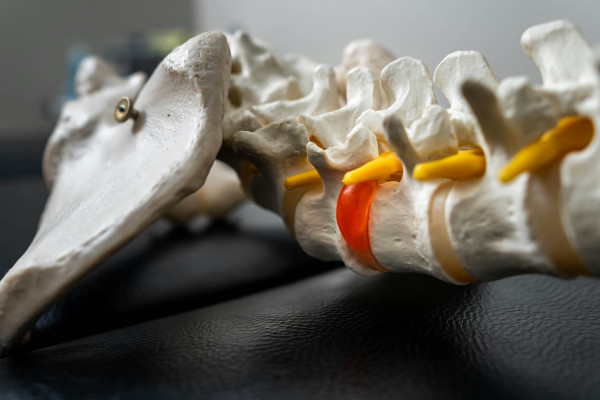
You have almost certainly heard the term sciatica before. You may even have been diagnosed with it yourself, or know someone close to you who has. The National Institute for Health and Care Excellence found that between 13% and 40% of us will likely experience sciatica at some point in our lives.
You might already be thinking that 13-40% is a huge range, and you would be right. There are several reasons for this statistic, but one big factor is that sciatica is not actually a diagnosis in itself. The term really just describes a set of symptoms that could be coming from an irritated sciatic nerve, rather than pointing to one specific cause.
Put simply, you turn up with back and leg pain, and you get diagnosed with... back and leg pain. The trouble with this is that it leaves the important questions unanswered. What is actually causing it, and how should you treat it?
To provide some helpful context, here are several reasons why you could be experiencing these particular pains:
Treating each of these underlying issues needs a different approach entirely. Some cases may ease with the anti-inflammatories and stretching typically recommended by the NHS, yet we often find that they either don't fix the problem, or the relief simply doesn't last.
At Peak, we prefer instead to find the genuine root cause of your symptoms and make sure they stay away for as long as possible. A chiropractor for sciatica who treats every case the same way, no matter the underlying mechanism, is unlikely to give you lasting results, since a disc-related issue and a diabetic neuropathic issue need very different approaches. You can read more about how pain signals are actually generated by the brain and why finding the true source matters more than the label itself.
If you have been searching for sciatica treatment near me because painkillers and generic stretching routines have only ever given temporary relief, it is worth having your specific case properly assessed. Our structured six-step process is built around finding which of the several possible mechanisms is actually driving your symptoms, rather than applying the same generic plan to every patient who walks through the door.
A genuinely thorough sciatica specialist near me should look well beyond your reported symptoms and consider your posture, movement patterns, and overall spinal mechanics too. If you are searching for a sciatica clinic near me that takes this broader view, our Ashbourne clinic, for example, specialises specifically in sciatica and persistent back pain, using a combined team of chiropractors, sports therapists, and myofascial therapists to properly identify what is really driving each case.
Ultimately, effective chiropractic treatment for sciatica depends on correctly identifying which of the several possible causes applies to you, since disc-related sciatica, joint-related sciatica, and neuropathic sciatica all respond quite differently to treatment. Rather than settling for temporary symptom relief, it is worth exploring our broader approach to persistent pain and how it applies specifically to sciatic symptoms.
Is sciatica the same thing as a slipped disc? Not necessarily. A disc bulge is one possible cause of sciatic symptoms, but sciatica can just as easily come from a joint, a muscle, a nerve condition, or several other sources.
Why do NHS treatments sometimes not work for sciatica? Standard advice such as anti-inflammatories and general stretching can ease symptoms for a while, but if the true underlying cause is never found, the pain often comes back.
Can sciatica come from somewhere other than the lower back? Yes. Changes in the hip and knee, nerve irritation elsewhere in the body, and even changes in the brain and nervous system can all produce sciatica-like symptoms.
How long does it typically take to see improvement? This varies quite a lot depending on the underlying cause, though many patients notice a meaningful change within the first few weeks of a properly targeted treatment plan.
Should I be worried if my sciatica symptoms include numbness? Numbness, significant weakness, or any loss of bladder or bowel control should always be assessed urgently, since these can occasionally point to a more serious underlying issue.