We Can Fix Your Posture And Relieve That Lower Back Pain
Posted Aug 25, 2026 at 17:21

Posted Aug 25, 2026 at 17:21
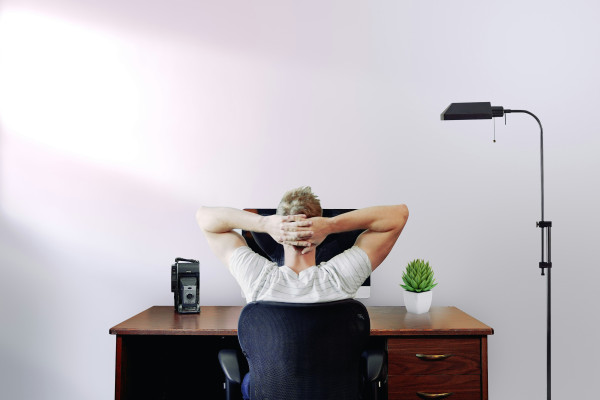
Bad posture rarely announces itself. It builds slowly, whether you are glued to a desk, hunched over a phone, or slouched on the sofa, and it often shows up later as nagging lower back pain. Understanding why posture matters so much is the first step toward fixing it, and it is also why so many people eventually search for a lower back pain chiropractor rather than reaching for another round of painkillers.
Lower back pain is far more common than most people realise. Between 1990 and 2015, disability caused by lower back pain rose by 54 percent worldwide, a trend researchers link to population growth and an ageing population. Around 84 percent of people experience lower back pain at some point in their lives, and roughly 23 percent go on to develop chronic symptoms that stick around for months or years.
Posture describes how your body parts line up in relation to gravity and to each other. When that alignment shifts out of its natural pattern, even slightly, the extra load has to go somewhere. Often, it lands squarely on your lower back.
A 2023 literature review identified five of the most common lumbar conditions linked to bad posture. Spinal curves are completely normal, but the most frequent postural issues behind lower back pain include excessive lordosis, sway-back, excessive kyphosis, flat back, and scoliosis. Researchers have also connected poor posture to chronic, nonspecific low back pain, largely because of its negative effect on spinal alignment and flexibility over time.
Spotting poor spinal posture early matters. It helps explain the pain you are feeling now, and it flags problems that could otherwise develop further down the line.
At Peak Chiropractic, our goal is to bring your posture back to where it should be by working directly with your brain and nervous system, since understanding how pain and the nervous system connect is central to how we approach treatment. Rather than simply stretching tight muscles or cracking a stiff joint, we focus on retraining the underlying control system that shapes your posture in the first place.
Across the thousands of visits we see each month, the pattern is consistent: when the brain and nervous system start functioning as they should, overall posture improves, and that improvement helps prevent the kind of future injuries that could otherwise stop you doing the things you enjoy.
If you are searching for lower back pain relief that lasts longer than a few days, addressing posture at this level is usually where real change begins. Many people who come to us for back pain treatment near me have already tried massage, painkillers, or generic exercise plans, only to find the pain creeps back within weeks.
Booking an initial consultation means one of our clinicians will carry out a full screening of how well your muscles, joints, nervous system, and brain are functioning, guided by our structured six-step approach to care. This is paired with a digital posture analysis, so you get a clear, visual picture of your alignment alongside a detailed discussion of what the results actually mean for your pain and your long-term spinal health.
We also treat general and chronic back pain conditions, since postural issues rarely affect just one area of the spine in isolation.
Can bad posture really cause lower back pain?
Yes. Poor spinal alignment places uneven strain on the joints, discs, and muscles of your lower back, and over time this contributes to conditions such as excessive lordosis, flat back, and chronic nonspecific low back pain.
How do I find a back pain chiropractor near me who focuses on posture?
Look for a clinic that offers a full postural and nervous system assessment, ideally including digital posture analysis, rather than one that jumps straight to treating the painful area alone.
Is it worth seeing a lower back pain chiropractor if my pain comes and goes?
Yes. Intermittent pain often signals an underlying postural pattern that has not yet become constant. Addressing it early tends to be easier than waiting until the pain becomes chronic.
How long does postural correction usually take?
This varies from person to person, but most patients notice gradual improvements over several weeks as their brain and nervous system adapt to a new, more supportive pattern of movement.
Will exercise alone fix my posture?
Exercise helps, but it works best alongside a proper assessment. Strengthening the wrong muscles, or ignoring nervous system involvement, can leave the root cause of your poor posture untouched.
If poor posture has been quietly building toward lower back pain, waiting rarely makes it better on its own. Get in touch with your local clinic, and one of our clinicians will assess your posture, joints, and nervous system, then build a plan aimed at lasting relief rather than a short-term fix.