How We Measure Posture Before Any Spinal Adjustments
Posted Jul 28, 2026 at 14:51

Posted Jul 28, 2026 at 14:51
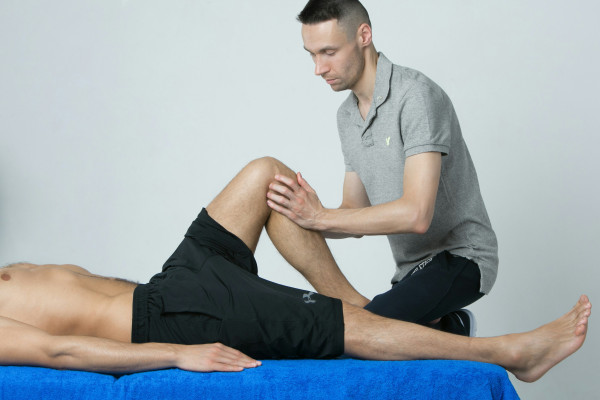
Posture forms a genuinely significant part of our clients' health journeys, and yet most practices never measure it properly at all. Many people searching for the best chiropractor near me assume posture assessment means little more than a quick visual glance, but at Peak we take a considerably more structured approach, tracking it through three distinct methods across every stage of your care.
We measure this metric in several different ways during the initial consultation, and the first is simply a client's own opinion of their posture, scored from one to ten. This might sound informal, but it gives us, as clinicians, a genuinely useful indication of whether a client values structural issues over function, or focuses more on their symptoms. It also reveals whether a client has an accurate understanding of their current state of health, which shapes how we explain everything that follows.
The second way we measure posture is through nervous system function, shown as a vitality score from a series of five separate tests. Posture is regulated by your autonomic nervous system, the same system that lets you breathe, blink, and digest food without ever consciously thinking about it. This is precisely why posture is so hard to change through conscious effort alone. It is governed by a different area of the brain entirely, one that sits largely outside your direct control.
This distinction matters more than most people realise. Simply telling yourself to "stand up straighter" rarely produces lasting change, because the underlying nervous system pattern driving your posture stays completely untouched. Real, lasting change usually needs the kind of targeted spinal adjustments that address the nervous system directly, rather than relying on willpower or a passing reminder from a colleague.
The final tool we use to measure posture is dedicated analysis software. It works out eye, shoulder, and hip level alongside overall spinal alignment, tracking from ear to ankle and following each major joint along the way. This software helps us evaluate the precise degree of tilt present and any resulting changes, such as an increase in effective head weight caused by forward posture. Anyone comparing a chiropractic clinic near me against another should genuinely ask whether this level of objective measurement forms part of the assessment, since a rough visual estimate simply cannot capture the same detail.
To ensure we consistently achieve the goals established during your initial consultation, all three of these metrics are reviewed again at regular care plan progress visits. This allows our clinical team to track genuine, measurable change over time, rather than relying on guesswork or a general sense that things feel somewhat better. It also means your treatment plan can be adjusted as your body responds, instead of following a fixed, generic script from week to week.
If you genuinely don't know how your own posture would score, it is well worth finding out. Searching for chiropractic near me is often the easy part; finding a practice that actually quantifies your starting point and tracks your progress against it is considerably rarer. Our approach to structural assessment is built specifically around this principle, and if you are looking for a local chiropractor near me who treats posture as something measurable rather than merely observed, we would definitely recommend booking in for a free discovery visit.
How long does a full posture assessment take? A thorough assessment across all three methods typically takes place during your initial consultation, alongside the rest of your health history and physical examination.
Can my posture score change quickly? Some clients notice measurable change within a few weeks, though lasting improvement generally depends on consistent care and how long the underlying pattern has been present.
Is the posture analysis software painful or uncomfortable? No. It is a non-invasive process that simply tracks your body's alignment using visual reference points; there is no discomfort involved at any stage.
Why does self-reported posture matter if you have objective tools? It reveals how well a client understands their own body, which helps us communicate results in a way that genuinely makes sense to them.
Do you reassess posture at every single visit? Not every visit, but all three metrics are reviewed at each regular care plan progress visit, so you can see clear, measurable change over time.